In many parts of the world, a change in vision or the onset of cloudy eyes is followed by a quick visit to an optometrist or ophthalmologist. A routine procedure or a prescribed pair of glasses restores clarity, and life continues uninterrupted.
However, in Ghana, for millions of people, a change in vision carries a vastly different reality—one that often leads to avoidable, permanent darkness, lost independence, and deep economic hardship.
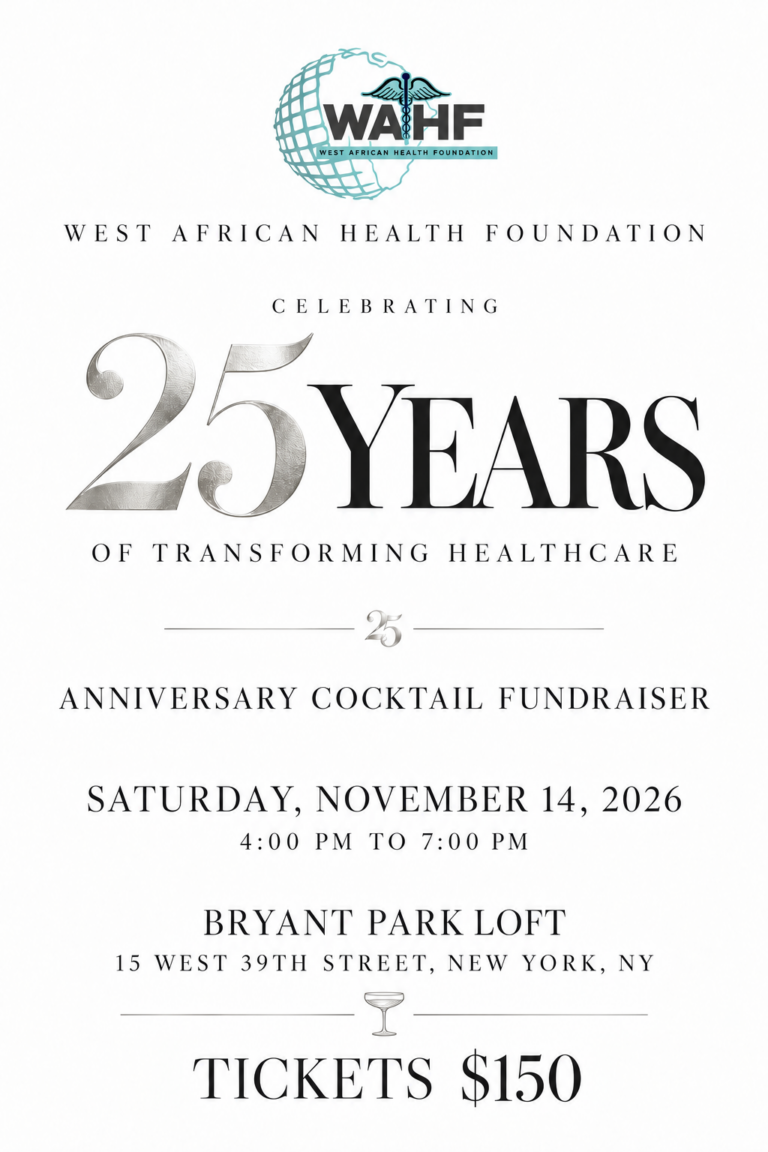
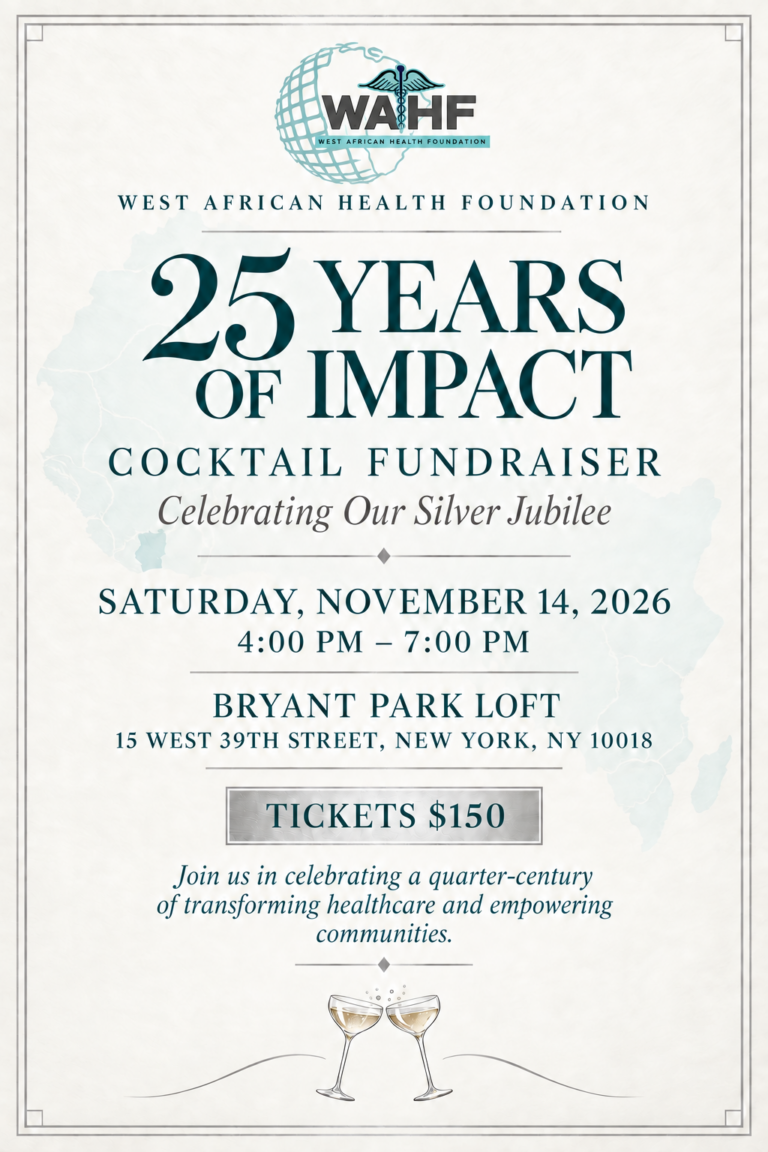
As the West African Health Foundation (WAHF) celebrates its 25th anniversary of delivering care, understanding the stark reality of eye health in Ghana illuminates precisely why our ongoing capital project—the Juaben Specialist Eye Institute—is not just a building, but a vital lifeline.
The Numbers Behind the Crisis
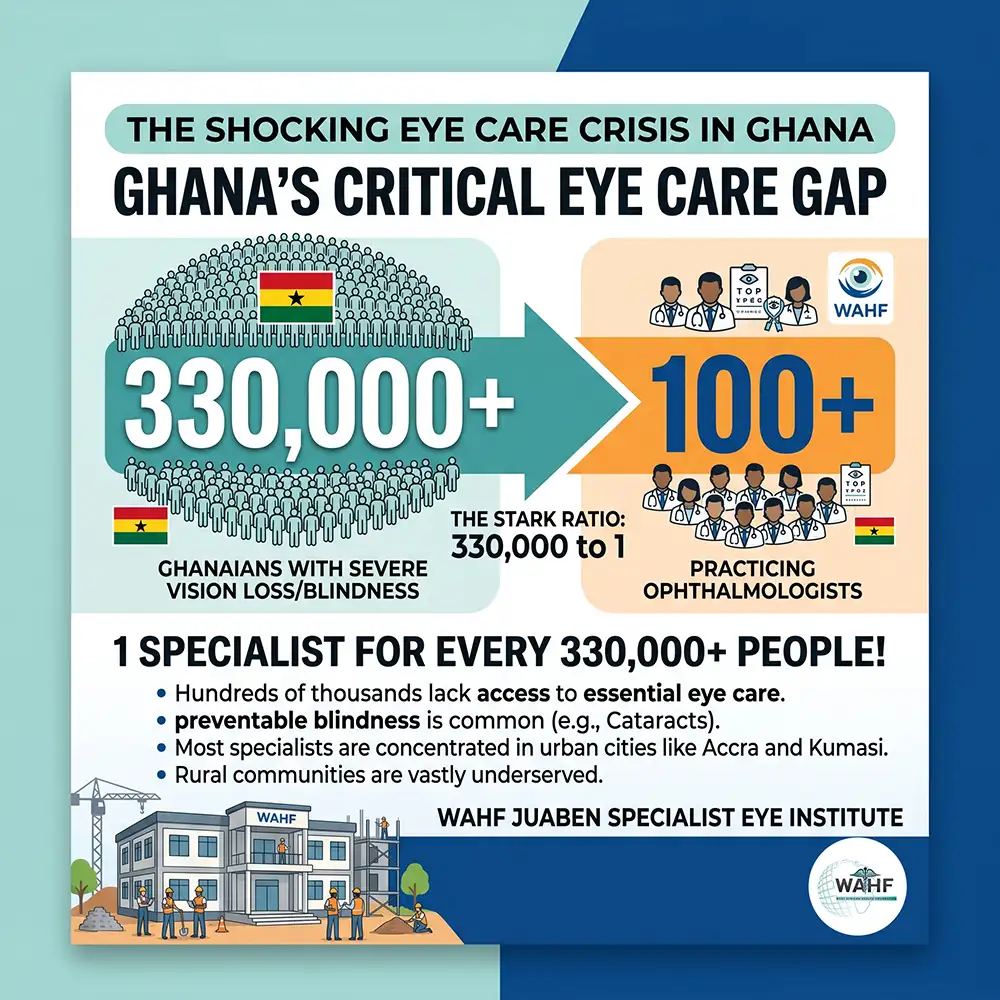
The figures surrounding eye care access in Ghana reveal a critical public health gap:
- Over 330,000 People Living with Severe Vision Impairment: Hundreds of thousands of individuals across the nation are currently living with avoidable blindness or severe, uncorrected visual impairment.
- The Leading Culprit: Cataracts remain the single primary cause of blindness in Ghana, accounting for over 50% of all cases—despite being entirely reversible through a straightforward, 15-minute surgical procedure.
- A Critical Shortage of Specialists: Across a population of over 33 million people, there are fewer than 100 practicing ophthalmologists.
- Geographic Inequality: The vast majority of these specialists are concentrated in major urban centres like Accra and Kumasi. For rural families in hard-to-reach districts, accessing specialized eye care requires long, expensive journeys that many simply cannot afford.
When specialized care is out of reach, preventable conditions like cataracts, glaucoma, and diabetic retinopathy go untreated until vision is permanently lost.
The Human and Socioeconomic Cost
Blindness in underserved communities is rarely just a medical issue; it is a family and community issue.
When a parent or grandparent loses their sight to a preventable condition, they often lose their ability to farm, trade, or work. Frequently, a child or young relative must step away from their education to act as a full-time caregiver. In this way, untreated eye conditions ripple outward, impacting household income, educational opportunity, and long-term community development.
Restoring sight does far more than heal an individual—it restores livelihoods, returns children to classrooms, and lifts entire families out of economic dependence.
The Juaben Solution: Permanent, Accessible, World-Class Care
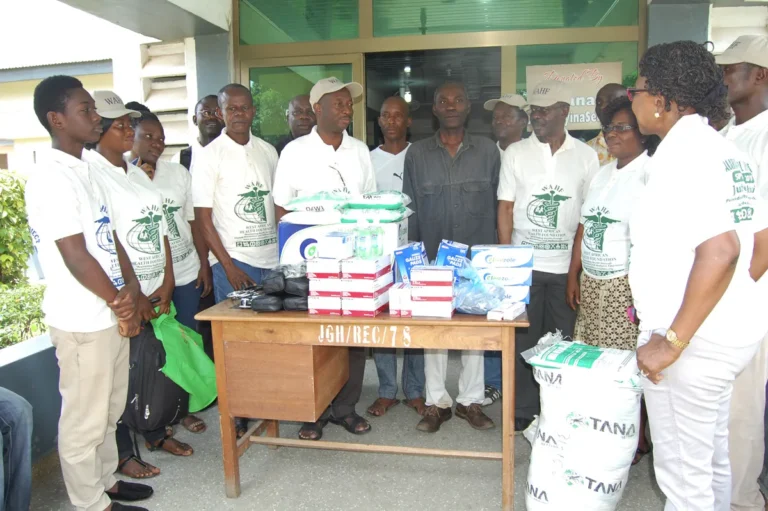
For a quarter of a century, WAHF has organized mobile medical missions and outreach clinics to deliver immediate care to rural communities. While these missions have transformed thousands of lives, temporary care cannot permanently solve a systemic crisis.
The Juaben Specialist Eye Institute represents our pivot from temporary relief to permanent infrastructure:
- A Regional Centre of Excellence: Located strategically in Juaben in the Ashanti Region, the institute will provide an accessible, state-of-the-art facility for millions who currently lack local specialized care.
- Surgical and Diagnostic Capacity: Equipped with modern diagnostic tools and surgical suites, the hospital will deliver high-volume, affordable cataract surgeries, glaucoma management, and paediatric eye care.
- Training the Next Generation: Beyond patient care, the institute is designed as a clinical training hub to educate and upskill local ophthalmologists, optometrists, and ophthalmic nurses, directly addressing the national shortage of specialists.
- Command Centre for Outreach: The permanent facility will serve as a base for mobile eye fleets, venturing into remote villages to perform screenings and bring patients to the hospital for advanced care.
Building the Future Together
The structural foundation of the Eye Institute is standing, but turning this vision into an operating hospital requires our collective strength. Every brick laid and every surgical room equipped brings us one step closer to ensuring that no Ghanaian loses their sight simply because of where they live.
As we look ahead, we invite our global family of supporters, partners, and champions to stand with us.
How You Can Help
Help us open the doors to world-class eye care in West Africa.
- Donate: Directly support the purchase of specialized medical equipment and interior construction.
- Share: Spread the word by sharing this article across your networks to raise awareness about preventable blindness.